
 Appointment Request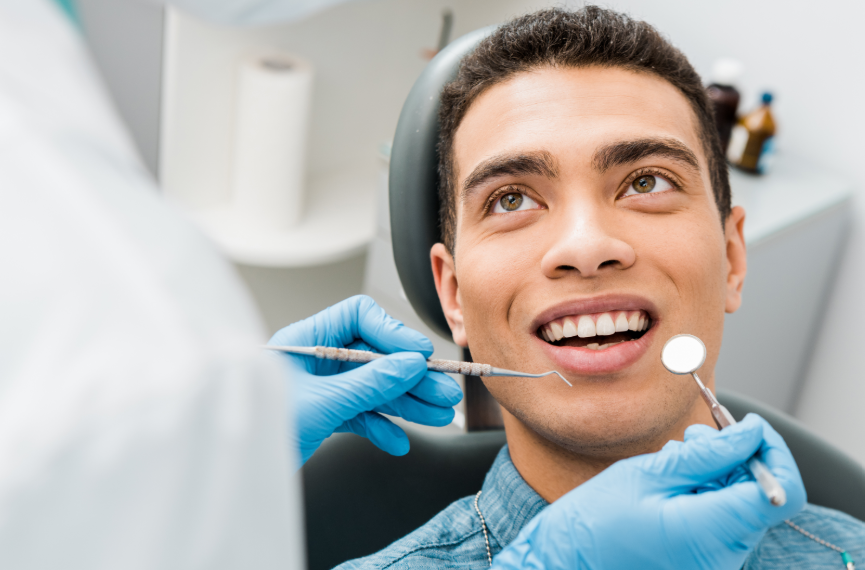
When you think about cancer, oral cancer may not be the first type that comes to mind. It is often overlooked, but that doesn’t make it any less important. Oral cancer can affect the lips, tongue, cheeks, gums, floor of the mouth, and other areas of the mouth and throat. Learning the facts can help you recognize potential warning signs and understand why routine screenings matter.
Oral Cancer Can Affect Anyone
One common misconception is that oral cancer only affects people who smoke or use tobacco. While tobacco is a major risk factor, anyone can develop oral cancer.
Other factors may include heavy alcohol use, human papillomavirus (HPV), prolonged sun exposure to the lips, age, and a history of certain oral health conditions. Some people develop oral cancer without having any of the commonly recognized risk factors, which is one reason routine screening is valuable.
Oral Cancer Isn’t Just One Disease
“Oral cancer” is an umbrella term covering cancers that develop in different areas of the mouth and oral cavity. It can involve the lips, tongue, gums, inner cheeks, roof or floor of the mouth, tonsils, and other nearby tissues.
Because these areas can look and feel different when something is wrong, knowing what is normal for your mouth can help you notice changes that deserve professional attention.
Early Detection Can Make a Difference
One of the most important facts about oral cancer is that finding it early can improve treatment outcomes. Unfortunately, early oral cancer doesn’t always cause obvious symptoms.
A dentist or oral health professional can look for abnormalities that you may not notice yourself. An oral cancer screening can be performed as part of a dental examination and may involve examining the tissues in and around your mouth for unusual changes.
Regular screenings are particularly helpful because they can provide an opportunity to identify suspicious areas before they become more advanced.
Know the Warning Signs
While many mouth changes are caused by something other than cancer, persistent symptoms should not be ignored. Potential warning signs can include a sore in the mouth that doesn’t heal, a lump or thickened area, unexplained bleeding, persistent mouth or throat pain, difficulty chewing or swallowing, numbness, or a change in the way your teeth fit together.
Red or white patches can also warrant an evaluation, particularly when they persist or occur alongside other changes.
If something in your mouth doesn’t seem right or doesn’t go away, don’t simply wait for your next routine appointment. Let your dental professional know.
Tobacco and Alcohol Increase Risk
Tobacco use is one of the best-known risk factors for oral cancer. This includes smoking cigarettes, cigars, and pipes as well as using smokeless tobacco.
Alcohol consumption is another recognized risk factor, and using tobacco and alcohol together can increase risk further. Avoiding tobacco and limiting alcohol can therefore be important steps toward reducing your risk.
HPV Can Play a Role
Human papillomavirus, commonly known as HPV, is another risk factor associated with certain cancers of the mouth and throat. HPV is extremely common, and exposure does not mean that someone will develop cancer.
However, the connection between HPV and some oropharyngeal cancers is another reason oral cancer should not be viewed solely as a disease associated with tobacco use.
Screening Is Worth Your Time
You don’t have to wait until you notice something unusual to have your mouth checked. Oral cancer screenings are designed to help identify suspicious changes early, when they may be easier to evaluate and treat.
Your dental professional can also talk with you about your individual risk factors and recommend how frequently you should be screened.
Paying attention to your oral health isn’t just about keeping your teeth clean—it’s also about knowing what’s normal and speaking up when something changes.
About the Practice
Dr. Wood and Dr. Long of Utah Implants and Periodontics provides periodontal care in Salt Lake City, including oral cancer screenings. The practice focuses on diagnosing and treating conditions affecting the gums and supporting structures of the teeth, with an emphasis on comprehensive periodontal health and patient-centered care.
Call us at (801) 322-5032 or schedule your appointment online.